The Loudness Database
The authoritative record for LUFS, true peak, and dynamic range
Featured story
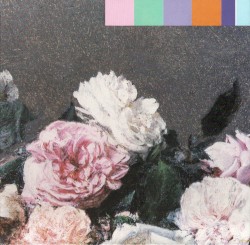
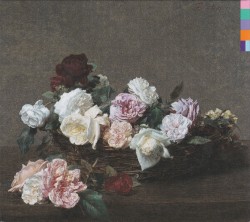
Power, Corruption & Lies: 1983 × 2008
We measured all eight tracks of New Order’s classic on the first CD and the 2008 Collector’s Edition, then charted waveforms, dynamics and tone. The remaster is louder by a lot, and quieter in ways you can’t see in the meter.
- +4.4 LUlouder
- −3.4 dBpeak-to-loudness
- −0.4 LUloudness range
Explore by genre and decade
Most-represented engineers
Recently added
FAQ
What is lufs.to?
A hand-curated reference database of loudness measurements for recorded music: integrated LUFS, true peak, loudness range, and dynamic range for individual tracks and releases, alongside mastering engineer, studio, and credit information where it can be verified.
What does LUFS actually measure?
LUFS (Loudness Units Full Scale) is the standard measurement behind loudness normalization on streaming platforms and broadcast delivery. See What is LUFS? for a full explanation, and LUFS vs RMS for how it differs from an older, simpler level measurement.
How are the measurements made?
Every figure comes from the same analyzer, run against the specific release, pressing, or file measured. See Methodology for the full write-up, including what each metric means and where the numbers can and can't be compared directly.
How accurate and complete is the data?
Credits are checked against published sources and left out when they can't be verified, but the database is built by hand and doesn't cover every release, and accuracy isn't guaranteed. See Terms for the full disclaimers.
Can I use this data in my own work?
Yes — the site and its data are free to use, including professionally, with credit. Only packaging, reselling, or redistributing the dataset itself needs a license. See Our Data.
How do I find something specific?
Use the search box above for a quick lookup by artist, album, track, engineer, or studio, or the Advanced Search page to filter by genre, year, and more. You can also browse by artist, engineer, studio, genre, label, and year.
I found an error, or a credit is missing. What do I do?
We'd like to hear about it — get in touch through the Contact page and we'll look into it.
How can I support the project?
Follow along on Instagram — more info on other ways to support lufs.to is coming soon.